Breast Implant Removal Recovery, Cost & More: 10 Questions & Answers
Posted On: September 17, 2026 Author: The Office of Dr. Stuart Linder Posted In: Implant Removal
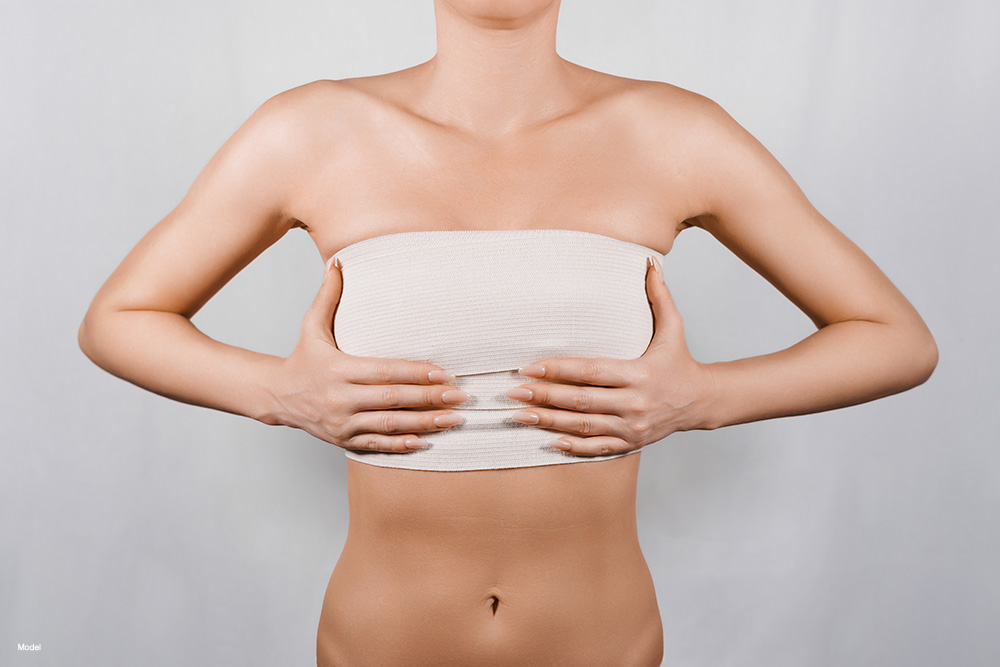
Breast implant removal, or explantation, is an important surgical decision that involves more than simply removing the implants. The procedure can vary significantly from patient to patient depending on the implant type, the condition of the surrounding capsule, the amount of scar tissue, whether the implant has ruptured, and whether additional procedures, such as a breast lift or fat grafting, are performed at the same time.
Patients considering explantation also understandably have many practical questions. They want to know how long recovery will take, whether they will need drains, when they can return to work and exercise, how often I perform explantation procedures, what the procedure may cost, and whether insurance or financing may be available. In my practice, I evaluate each patient individually and develop a surgical plan based on their anatomy, implant history, goals, and medical needs.
This article answers ten common questions I receive from patients considering breast explantation and focuses on recovery, surgeon experience, breast implant illness concerns, surgical fees, insurance coverage, and financing.
Table of Contents
- 1. What Is the Recovery Timeline After Breast Implant Removal?
- 2. Will I Need Surgical Drains After Breast Implant Removal?
- 3. When Can I Safely Return to Work, Exercise, and Regular Activities?
- 4. What Restrictions Will I Have During Breast Implant Removal Recovery?
- 5. How Often Do You Perform Breast Implant Removal Surgery?
- 6. Can You Show Before and After Photos of Patients With Anatomies Similar to Mine?
- 7. What Is Your Approach When Patients Have Concerns About Breast Implant Illness (BII)?
- 8. What Is Included in Your Total Surgical Fee?
- 9. Will Insurance Cover Any Part of the Breast Implant Removal Cost?
- 10. Is Financing or a Payment Plan Available?
- Key Takeaways
1. What Is the Recovery Timeline After Breast Implant Removal?
The recovery timeline following explantation varies depending on the type and extent of surgery performed.
A simple implant removal with drain placement may have a shorter recovery than an explantation that requires extensive scar tissue removal or a total capsulectomy. Recovery can also be longer when additional procedures, such as a breast lift or autologous fat grafting, are performed at the same time.
For a straightforward explantation, approximately six weeks is generally a reasonable timeframe for most of the swelling to resolve. However, the recovery process can be more extensive when a patient requires a total capsulectomy, breast lift, fat grafting, or other reconstructive procedures.
Every patient heals differently, and I provide specific postoperative instructions based on the procedures performed.
2. Will I Need Surgical Drains After Breast Implant Removal?
I normally place 7 mm Jackson-Pratt drains in patients undergoing breast explant surgery.
The primary purpose of the drains is to help prevent a seroma, which is a collection of excess fluid that can develop within the breast pocket after surgery. Drains allow fluid to leave the surgical space while the tissues heal and the pocket begins to close.
In my patients, drains are typically left in place for approximately six to seven days, although the exact timing depends on the amount of drainage and the individual patient’s recovery.
I will monitor the drainage during the postoperative period and determine when it is appropriate to remove the drains.
3. When Can I Safely Return to Work, Exercise, and Regular Activities?
The timing for returning to your regular activities depends on your job and the extent of your surgery.
Patients with non-labor-intensive jobs can often return to work within about five to seven days, provided they are comfortable and not required to lift heavy objects or do strenuous physical activity.
Most patients can expect to wait approximately six to eight weeks before returning to strenuous exercise. This is particularly important when extensive capsulectomy, breast reconstruction, or a breast lift has been performed.
Patients may feel significantly better before they are fully healed internally. I therefore recommend following the postoperative activity restrictions even when you feel ready to resume your regular activities.
4. What Restrictions Will I Have During Breast Implant Removal Recovery?
The restrictions following explantation are similar to those I use following many breast reconstructive procedures.
My postoperative instructions vary depending on the procedures performed, but I generally recommend the following:
- Avoiding heavy lifting, generally greater than five pounds, during the early recovery period
- Keeping the arms down at the sides as instructed
- Avoiding raising the arms above the shoulders during the initial healing period
- Keeping the incisions clean and dry
- Changing dressings as instructed
- Using ice during the first 72 hours as directed
- Avoiding activities that cause significant sweating during the initial recovery period
- Avoiding showers until cleared, often for approximately five to seven days
- Attending all scheduled postoperative appointments
These restrictions are intended to reduce the risk of bleeding, hematoma formation, wound problems, and infection while the breast tissues heal.
I adjust these instructions based on the individual patient’s surgery and recovery.
5. How Often Do You Perform Breast Implant Removal Surgery?
I perform breast explantation procedures weekly or biweekly for patients who have decided to have their implants removed.
Each patient’s reasons for explantation are different. Some patients have recurrent scar tissue and painful hardening around their implants (capsular contracture). Others want to reduce the size of their breasts, have experienced complications such as a ruptured implant, or simply no longer want breast implants.
My approach is to understand why the patient wants the breast implants removed and then determine which surgical procedure best addresses both the medical and cosmetic aspects of the patient’s concerns.
In some cases, explantation may involve only implant removal. In others, it may require partial or total capsulectomy, breast lift, fat grafting, or additional breast reconstruction.
6. Can You Show Before and After Photos of Patients With Anatomies Similar to Mine?
Yes. Reviewing before and after photographs can be helpful when discussing what may realistically be achieved after explantation.
Our practice has an extensive collection of breast surgery photographs available, including patients who have undergone explantation with and without a breast lift.
We have more than 4,800 sets of breast surgery photographs available in our online gallery. During the initial consultation, I can also discuss which examples are most relevant based on your breast size, implant history, degree of skin laxity, and the type of explantation you’re considering.
However, photographs are only examples. Every patient’s anatomy and healing process are different, so I use before-and-after photographs to set realistic expectations rather than guarantee a particular result.
7. What Is Your Approach When Patients Have Concerns About Breast Implant Illness (BII)?
When patients are concerned about breast implant illness, or BII, I take the time during the consultation to discuss their symptoms, implant history, and any findings that may require additional evaluation.
Particular attention is important in patients with a history of textured Allergan implants, especially when there is swelling or a late fluid collection, such as a unilateral seroma. A seroma may occur with or without an implant rupture.
When fluid is present around a textured implant, it is important to evaluate that fluid appropriately. This may include testing for CD30, a marker used to evaluate breast implant-associated anaplastic large cell lymphoma (BIA-ALCL), along with appropriate pathologic evaluation.
This is an important distinction because not every patient with symptoms around a breast implant has the same underlying problem. A thorough medical and surgical evaluation is necessary to determine the appropriate treatment.
8. What Is Included in Your Total Surgical Fee?
Our total surgical fee is a set fee that can include multiple components of the surgical procedure. Depending on the procedure being performed, these components may include:
- The surgeon’s fee
- The anesthesia fee
- The surgical facility fee
- Breast implant costs when applicable
The total cost of explantation can vary depending on the complexity of the procedure. A straightforward implant removal may require less operating time than an explantation involving extensive scar tissue removal, total capsulectomy, implant rupture, breast lift, or fat grafting.
During the consultation, I discuss the recommended surgical plan and the associated fees so that patients understand the expected costs before proceeding.
9. Will Insurance Cover Any Part of the Breast Implant Removal Cost?
Insurance coverage depends on the patient’s individual insurance plan and the medical circumstances surrounding the procedure.
Some PPO insurance plans may provide coverage for portions of breast reconstructive surgery when there is a documented medical indication. This may include situations involving implant rupture or severe capsular contracture associated with significant pain.
However, insurance policies differ, and coverage is not guaranteed simply because a patient has an implant-related medical condition.
Our office can help patients understand which portions of their treatment may qualify for insurance coverage and what documentation may be required.
10. Is Financing or a Payment Plan Available?
Yes. Financing options may be available for patients who would like to divide the cost of their procedure into payments.
We offer financing through CareCredit and other available programs, subject to the patient’s eligibility and the financing provider’s terms.
Financing can be particularly helpful when a patient chooses to combine explantation with additional procedures such as a breast lift or fat grafting.
During your consultation, our office can review available payment options and help you understand the financial requirements for your surgical plan.
Key Takeaways
- Recovery after breast implant removal varies depending on the extent of surgery and whether procedures such as capsulectomy, breast lift, or fat grafting are performed.
- Dr. Linder typically uses surgical drains after explantation, with removal often occurring approximately six to seven days after surgery.
- Patients with non-labor-intensive jobs may return to work within about five to seven days, while exercise may be restricted for six to eight weeks.
- Postoperative restrictions are important even when patients begin to feel better because internal healing continues after surgery.
- Explantation may involve implant removal alone or additional procedures such as partial or total capsulectomy, breast lift, fat grafting, or breast reconstruction.
- Fluid around a textured implant may require additional evaluation, including BIA-ALCL testing when appropriate.
- The cost of breast implant removal depends on the complexity of the surgical plan and any additional procedures performed.
- Insurance coverage and financing options vary based on the patient’s circumstances, insurance plan, and eligibility.
Schedule a Breast Explantation Consultation With Dr. Stuart Linder
If you are considering breast implant removal (explantation) in Beverly Hills and want to understand your surgical options, recovery, expected results, and potential costs, a consultation with board-certified plastic and reconstructive surgeon Dr. Stuart Linder can help you make an informed decision. Dr. Linder is certified by the American Board of Plastic Surgery and has over 25 years of experience performing breast procedures, including breast augmentation, breast lift, breast reduction, and more.
During your consultation, Dr. Linder will evaluate your natural breast tissue, implant history, capsule, skin quality, nipple position, and overall goals. He can then determine whether you may benefit from explantation alone or whether additional procedures, such as a partial or total capsulectomy, breast lift, or fat grafting, may be appropriate.
Contact Dr. Stuart Linder’s office today at (310) 275-4813 or complete our online contact form to schedule your consultation and discuss your goals.